
Silver Price Fluctuations: A Deep Dive into Their Impact on the Jewelry Industry
Silver, a staple in the jewelry industry for its luster, malleability, and affordability relative to gold, has long been a cornerstone of design—from delicate silver chains to statement pieces paired with gemstones. Yet behind the craftsmanship lies a critical variable: silver prices, which are far from static. Driven by global economic trends, geopolitical tensions, industrial demand, and even investor sentiment, silver prices can swing dramatically over weeks, months, or years. These fluctuations are not mere numbers on a screen; they send ripples through every layer of the jewelry industry, reshaping production strategies, pricing models, consumer behavior, and even design trends. Let’s take a closer look at how these price shifts impact manufacturers, retailers, and shoppers alike.
The Ripple Effect on Production and Supply Chains
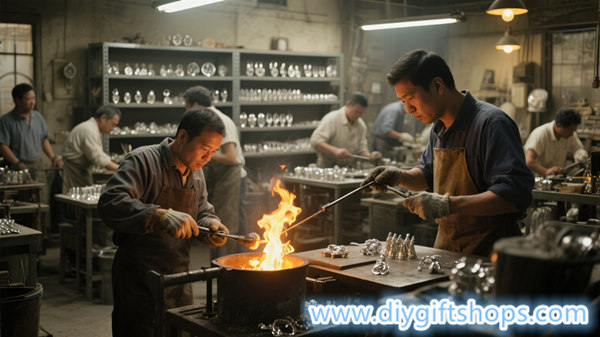
For jewelry manufacturers, silver is more than a material—it’s a major cost driver. When silver prices surge, the math of production changes overnight. A sudden 10% or 15% spike in silver costs can erode profit margins for mid-sized manufacturers, who often operate on tight budgets. Unlike luxury brands that use gold or platinum (where higher base prices buffer small percentage swings), silver-focused jewelers have less room to absorb these shocks.
To adapt, many manufacturers are forced to rethink their supply chains. Some rush to lock in prices by purchasing larger silver inventories during lulls in the market, a strategy that reduces short-term risk but ties up capital and storage space. Others turn to alloy blends, mixing silver with cheaper metals like copper or nickel to lower material costs—though this can compromise quality if not balanced carefully. A few even shift production to regions with lower labor costs, offsetting silver expenses by cutting other overheads.
Conversely, when silver prices drop, manufacturers face a different set of dynamics. While lower costs might seem like a boon, sudden dips can create uncertainty. A 20% drop in silver prices over a month, for example, may lead retailers to delay orders, hoping to negotiate lower wholesale prices. This can disrupt production schedules, leaving manufacturers with excess inventory or idle workshops. For small-scale artisans, who often buy silver in smaller quantities and lack the bargaining power of large brands, these swings can be particularly destabilizing.
Shifting Retail Strategies and Consumer Behavior
Retailers act as the bridge between manufacturers and shoppers, and silver price fluctuations hit them from both sides. When wholesale costs rise, retailers must decide whether to pass those increases to consumers or absorb them. Raising prices risks alienating price-sensitive customers—especially in the affordable jewelry segment, where silver pieces are marketed as accessible luxury. A 50 necklace might become 55 after a silver spike, a small change that can deter impulse buyers.
To avoid losing customers, some retailers reposition their products. They emphasize design over material value, highlighting craftsmanship or limited-edition status to justify higher prices. Others expand their non-silver lines, introducing more brass or stainless steel pieces as budget-friendly alternatives. During a 2022 silver price surge, for instance, several fast-fashion jewelry brands reported a 30% increase in sales of gold-tone stainless steel accessories, a direct response to rising silver costs.
Silver Price Fluctuations: A Deep Dive into Their Impact on the Jewelry Industry
Lower silver prices, on the other hand, create opportunities for retailers to boost sales. Many run promotions, marketing silver pieces as “timely buys” while prices are low—a tactic that taps into consumer fears of missing out. This strategy works especially well for seasonal collections, where a temporary price dip can drive demand for holiday gifts or summer jewelry. Retailers may also use lower silver costs to experiment with bolder designs: larger pendants, thicker chains, or more intricate filigree work that would be too expensive to produce when prices are high.
Consumer behavior shifts in tandem with these strategies. Price-conscious shoppers, who prioritize silver for its affordability, may pivot to other metals if prices rise too steeply. In contrast, collectors or those seeking investment-value jewelry might see a silver dip as a chance to buy higher-quality pieces, such as sterling silver (92.5% pure) instead of plated silver. These trends create a feedback loop: retailers adjust offerings based on prices, and shoppers adjust preferences based on what’s available and affordable.
A Case Study: How silver Jewelry store Adapts to Silver Price Swings
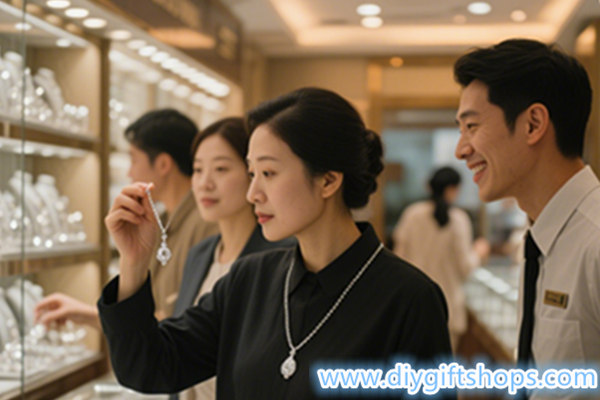
For platforms like diygiftshops.com—where personalized, handcrafted silver jewelry is a core offering—silver price fluctuations demand a blend of creativity and strategic flexibility. The site, which caters to shoppers seeking custom gifts like engraved silver bracelets or monogrammed pendants, has developed a two-pronged approach to navigate market volatility. When silver prices rise, it doubles down on its “DIY experience” value proposition: instead of hiking prices, it emphasizes the emotional value of personalized pieces, framing them as “priceless memories” rather than commodities. For example, during a 2023 silver price uptick, the site highlighted customer stories of gifting custom silver necklaces for milestones like weddings or graduations, shifting focus from material costs to sentimental worth. This tactic helped retain price-sensitive buyers, with sales of personalized silver items dropping by only 5%—a fraction of the decline seen in non-custom silver jewelry categories that quarter.
When silver prices dip, diygiftshops.com seizes the moment to expand its product range. It introduces limited-time “silver craft kits,” which include pre-cut silver blanks, tools, and design templates for at-home creators. These kits leverage lower silver costs to offer competitive pricing (e.g., a 20% discount compared to pre-assembled pieces) while encouraging repeat purchases—customers who buy a kit often return to order professional finishing or additional blanks. The site also uses price dips to test new custom designs, such as layered silver charms or mixed-metal engravings, which can later become permanent lines if they gain traction. By tying silver price cycles to its core strengths—personalization and community engagement—diygiftshops.com turns market fluctuations into opportunities to deepen customer loyalty.
Silver Price Fluctuations: A Deep Dive into Their Impact on the Jewelry Industry
Long-Term Trends: Innovation and Market Diversification
While short-term price swings cause immediate disruptions, sustained silver price trends are pushing the industry toward long-term innovation. For example, the rising popularity of “sustainable jewelry” has dovetailed with silver’s volatility. Some brands are now using recycled silver, which is less vulnerable to market fluctuations because its cost is tied to recycling processes rather than global commodity prices. Not only does this reduce reliance on mined silver, but it also appeals to eco-conscious consumers—a win-win that insulates brands from price shocks.
Technology is another buffer. Digital tools like dynamic pricing software allow retailers to adjust prices in real time based on silver market data, avoiding sudden jumps that confuse customers. Manufacturers, meanwhile, use predictive analytics to forecast price trends, helping them decide when to stock up on silver or shift to alternative materials. These tools are becoming essential for small businesses, which lack the resources to weather unexpected swings.
Market diversification is also key. Brands that once focused solely on silver are expanding into mixed-metal designs—combining silver with gold vermeil, enamel, or semi-precious stones. This not only reduces their exposure to silver prices but also broadens their appeal. A necklace with a silver chain and a gold-plated pendant, for example, feels luxurious without relying entirely on silver, making it less sensitive to price changes.
Conclusion: Navigating Uncertainty with Agility
Silver price fluctuations are an unavoidable part of the jewelry industry, but they don’t have to be a threat. For manufacturers, retailers, and designers, success lies in agility—whether that means adjusting supply chains, repositioning products, or embracing sustainable and technological solutions. By understanding how these fluctuations ripple through production, sales, and consumer behavior, the industry can turn volatility into opportunity: creating more resilient business models, more innovative designs, and a market that adapts to change rather than being defined by it.
In the end, silver’s allure isn’t just in its shine—it’s in its versatility. And in a world of fluctuating prices, versatility may be the jewelry industry’s most valuable asset.
If you’d like to check out the video, head to the following link:
https://www.youtube.com/@diygiftshops
You must be logged in to post a comment.